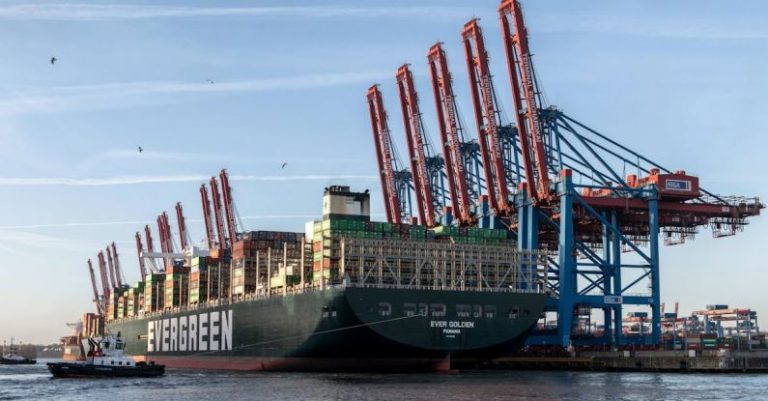
In today’s fast-paced world, the logistics industry plays a crucial role in ensuring the smooth flow of goods and services. From warehousing to transportation, each step in the supply chain requires precision and efficiency to meet the ever-increasing demands of consumers. With the rapid advancements in technology, logistics companies are now leveraging various tools and solutions to streamline their operations and enhance overall efficiency. This article explores the ways in which technology can revolutionize the logistics sector and drive improvements in productivity and customer satisfaction.
**Automation in Warehouse Management**
One of the key areas where technology has made a significant impact in logistics is warehouse management. Traditional manual processes in warehouses are time-consuming and prone to errors. However, with the introduction of automation technologies such as robotics and automated guided vehicles (AGVs), companies can now optimize their warehouse operations for maximum efficiency. These technologies enable tasks such as picking, packing, and sorting to be carried out with precision and speed, reducing the chances of errors and improving overall productivity.
**Real-Time Tracking and Visibility**
Another critical aspect of logistics that has been transformed by technology is real-time tracking and visibility. With the help of GPS and RFID technologies, logistics companies can now monitor the location of their shipments in real-time, allowing for better decision-making and improved customer service. Real-time tracking provides accurate information on the status of shipments, enabling companies to proactively address any issues that may arise during transit. This level of visibility not only enhances operational efficiency but also builds trust with customers who value transparency and reliability.
**Predictive Analytics for Demand Forecasting**
Predicting customer demand is a challenging task for logistics companies, especially in today’s volatile market conditions. However, with the power of predictive analytics, companies can now forecast demand more accurately and optimize their inventory levels accordingly. By analyzing historical data and market trends, logistics companies can identify patterns and make informed decisions about stocking levels and distribution routes. This proactive approach not only minimizes stockouts and overstock situations but also reduces costs and improves overall supply chain efficiency.
**Blockchain for Secure and Transparent Transactions**
Blockchain technology is revolutionizing the way transactions are conducted in the logistics industry. By creating a secure and transparent decentralized ledger, blockchain enables logistics companies to track and verify transactions in real-time, reducing the risk of fraud and errors. Smart contracts built on blockchain can automate payment processes and ensure that all parties involved in the supply chain are held accountable for their actions. This level of transparency and security not only improves trust among stakeholders but also streamlines transactions and reduces administrative overhead.
**Optimization through Artificial Intelligence**
Artificial intelligence (AI) is another game-changer in the logistics industry, offering advanced capabilities for route optimization, predictive maintenance, and demand forecasting. AI algorithms can analyze vast amounts of data to identify the most efficient routes for transportation, minimizing fuel consumption and reducing delivery times. Additionally, AI-powered predictive maintenance systems can monitor the health of vehicles and equipment in real-time, enabling companies to prevent breakdowns and schedule maintenance proactively. By harnessing the power of AI, logistics companies can achieve higher levels of operational efficiency and cost savings.
**Enhancing Customer Experience with Technology**
In today’s competitive market, providing exceptional customer experience is essential for the success of logistics companies. Technology plays a crucial role in enhancing customer satisfaction through features such as online tracking, real-time notifications, and personalized services. By leveraging customer relationship management (CRM) systems and data analytics tools, logistics companies can gain insights into customer preferences and behavior, allowing them to tailor their services to meet individual needs. This personalized approach not only improves customer loyalty but also differentiates companies from their competitors in the industry.
**In Summary**
Technology has become a driving force behind the transformation of the logistics industry, enabling companies to achieve higher levels of efficiency, accuracy, and customer satisfaction. From automation in warehouse management to real-time tracking and predictive analytics, the possibilities for improvement are endless. By embracing innovative technologies and continuously evolving their processes, logistics companies can stay ahead of the curve and deliver exceptional service in an increasingly competitive market. The future of logistics is undoubtedly digital, and companies that leverage technology to their advantage will reap the benefits of enhanced efficiency and profitability.