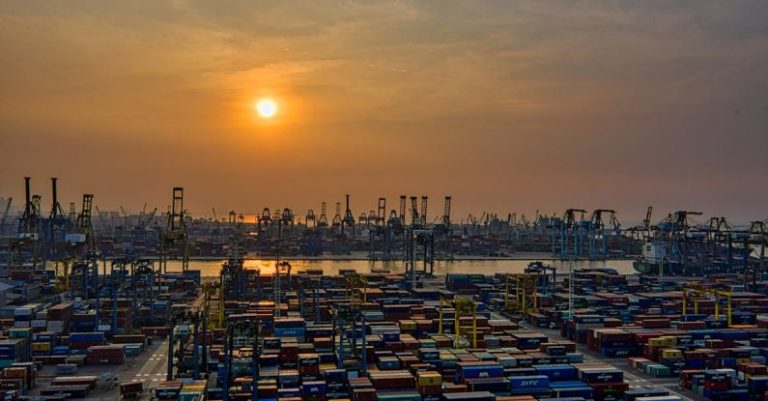
The United Kingdom is a major player in the global import market, with a diverse range of products flowing into the country from various regions around the world. Understanding the key trends in UK import markets is crucial for businesses looking to tap into this lucrative sector and stay ahead of the competition. From shifting consumer preferences to emerging trade policies, here are some of the significant trends shaping the UK import landscape.
Changing Consumer Preferences
One of the key trends in UK import markets is the changing consumer preferences driving demand for certain products. With an increasingly health-conscious population, there has been a noticeable shift towards organic and sustainably sourced goods. Products such as organic foods, eco-friendly clothing, and natural skincare products are gaining popularity among UK consumers, leading to an increase in imports of these items.
Another trend influencing consumer preferences is the rise of e-commerce. The convenience of online shopping has fueled demand for a wide range of products that are not readily available in local stores. This has resulted in an uptick in imports of items such as electronics, fashion accessories, and specialty foods from overseas markets.
Emerging Trade Policies
The UK’s exit from the European Union has brought about significant changes in trade policies, impacting import markets in the country. The new trade agreements negotiated by the UK government have opened up opportunities for businesses to explore new markets and source products from different regions. However, the uncertainty surrounding trade relations with the EU and other trading partners has also created challenges for importers, with potential disruptions to supply chains and fluctuations in tariffs.
In response to these changes, many businesses are diversifying their sourcing strategies to mitigate risks and ensure continuity in their import operations. Some companies are exploring options such as nearshoring or reshoring production to reduce reliance on overseas suppliers and minimize the impact of trade disruptions.
Technological Advancements
Advancements in technology have revolutionized the way imports are managed and processed in the UK. Automation and digitalization have streamlined customs procedures, making it easier for businesses to navigate the complexities of international trade. From online customs declarations to digital supply chain platforms, technology is playing a crucial role in optimizing import processes and enhancing efficiency.
The use of data analytics and artificial intelligence is also transforming the import market, enabling businesses to gain valuable insights into consumer behavior, market trends, and supply chain performance. By harnessing the power of technology, importers can make informed decisions, improve forecasting accuracy, and identify new opportunities for growth in the competitive import landscape.
Sustainability and Ethical Sourcing
Sustainability and ethical sourcing have become central themes in the UK import market, driven by increasing consumer awareness and regulatory pressures. Businesses are under growing scrutiny to ensure that their supply chains are ethical, transparent, and environmentally responsible. This has led to a rise in demand for sustainably sourced products, fair-trade goods, and eco-friendly packaging among UK importers.
To stay competitive in this evolving landscape, businesses are incorporating sustainability practices into their import strategies, from reducing carbon emissions in transportation to promoting social responsibility in their supply chains. By aligning with consumer values and demonstrating a commitment to sustainability, importers can not only meet market demands but also contribute to a more environmentally conscious import market.
Adapting to Market Dynamics
As the UK import market continues to evolve, businesses must stay agile and adaptable to navigate the changing landscape effectively. By keeping abreast of key trends, such as changing consumer preferences, emerging trade policies, technological advancements, and sustainability practices, importers can position themselves for success in this dynamic and competitive market.
In conclusion, the UK import market is undergoing significant transformations driven by shifting consumer demands, evolving trade policies, technological innovations, and sustainability imperatives. Businesses that are proactive in responding to these key trends and embracing change will be well-positioned to thrive in the dynamic and ever-changing import landscape. By staying ahead of the curve and leveraging opportunities emerging in the market, importers can secure a competitive edge and capitalize on the diverse opportunities available in the UK import markets.